Marco's Pizza Catering Marco's Pizza Catering Mobile pizza · Los Angeles
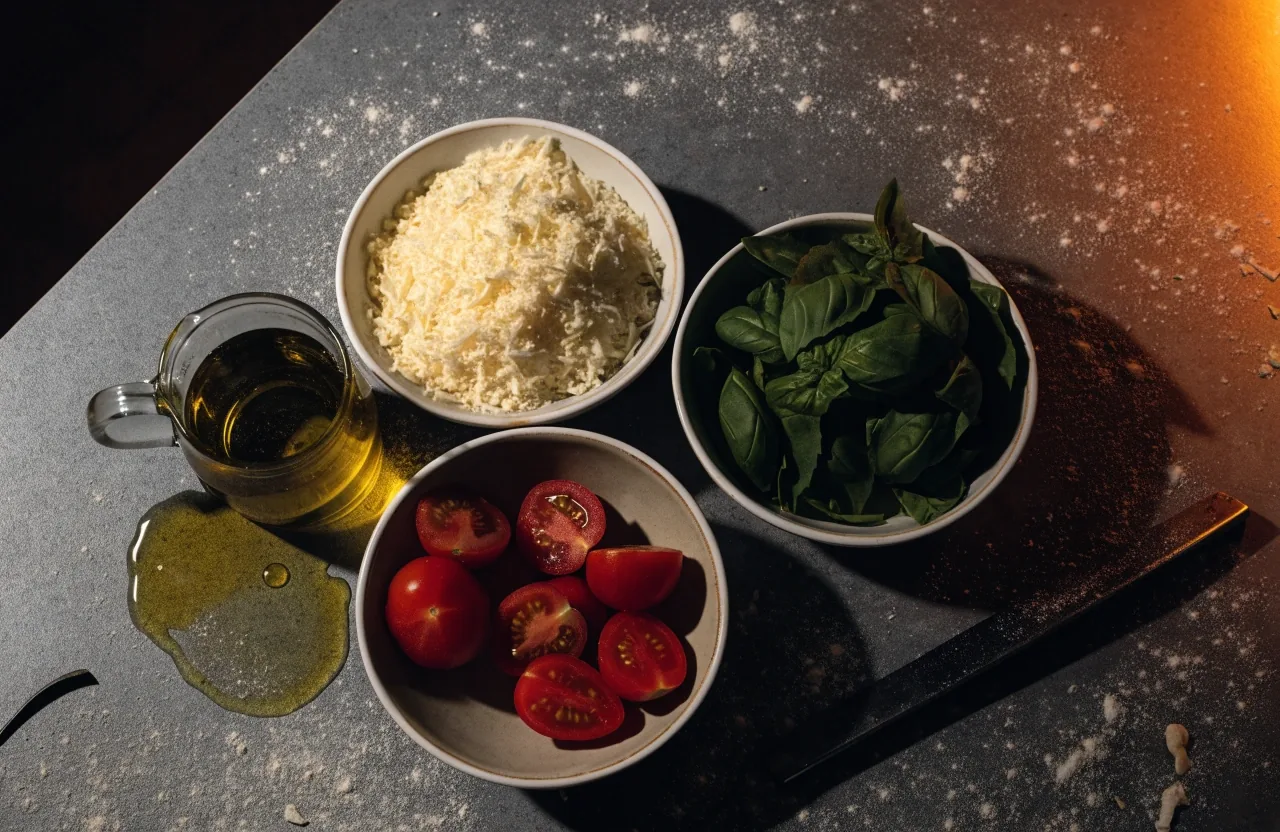
Toppings bar with cheese, basil, tomatoes and olive oil laid out for a live pizza station

Los Angeles · mobile oven · four event formats

Catering Services for Every Kind of Event

Different events need different setups. A wedding for 180 guests on a vineyard lawn and a 30-person office lunch don't call for the same equipment, the same service speed, or the same menu. Below is how we break down our catering formats and which occasions each one suits. If you already know your event type, start there.
Four formats, one kitchen crew

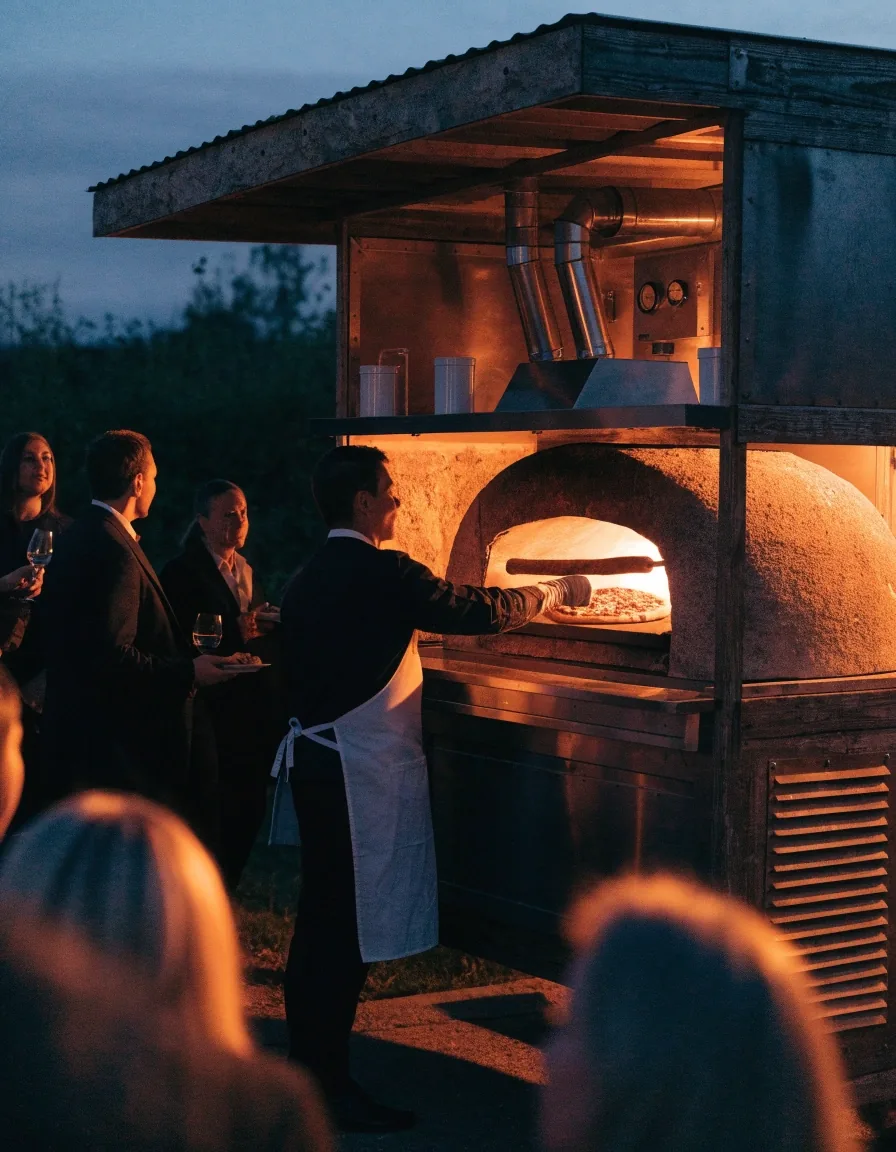
Every booking runs on the same four moving parts: a mobile oven, a dough and toppings station, a service line, and a crew that cleans its own equipment. What changes between events is how large the footprint is, how fast the line has to move, and how long we stay. Pick the format that matches your guest count and venue, then read the notes below for the practical details we ask about during planning.

  • Wood-fired oven on site, cooked to order
  • One or two timed service windows
  • Our crew handles its own setup and cleanup
  • Planner and venue coordination on timing

Weddings and receptions

A wedding reception needs a service that keeps up without turning into a queue. We typically run a buffet line for the main meal and a second, shorter service window later in the night for a late-night wedding snack. The live cooking station gives guests something to watch during cocktail hour, which helps fill the gap between the ceremony and dinner. We'll coordinate timing with your planner or venue coordinator so the pizza lands when the schedule says it should.

Vineyard lawns, rooftop terraces and converted warehouses all work as long as the oven has a level spot and a clear path in. For receptions that run past ten, the second window is the difference between guests leaving early and guests staying for one more slice.

Compare catering formats

main line + late window

Guests at an outdoor wedding reception sharing pizza during the evening service

Corporate event catering

Office parties, product launches, team celebrations, and client dinners all work with a mobile setup. The advantage is speed: a slice line moves people through quickly, which matters when the event has a fixed window. LaRosa's Pizzeria built its mobile kitchen program around that crowd-friendly idea of serving hot slices fast at large gatherings. For corporate bookings we can also brand the station with your company name on the cart or trailer.

Timing usually runs tighter than a private party. If the venue has a hard stop — a building close time, a loading dock window, a noise rule after a certain hour — tell us during planning so the cook schedule is built around it instead of fighting it on the day.

Request a quote
Mobile pizza cart serving guests during an evening corporate event
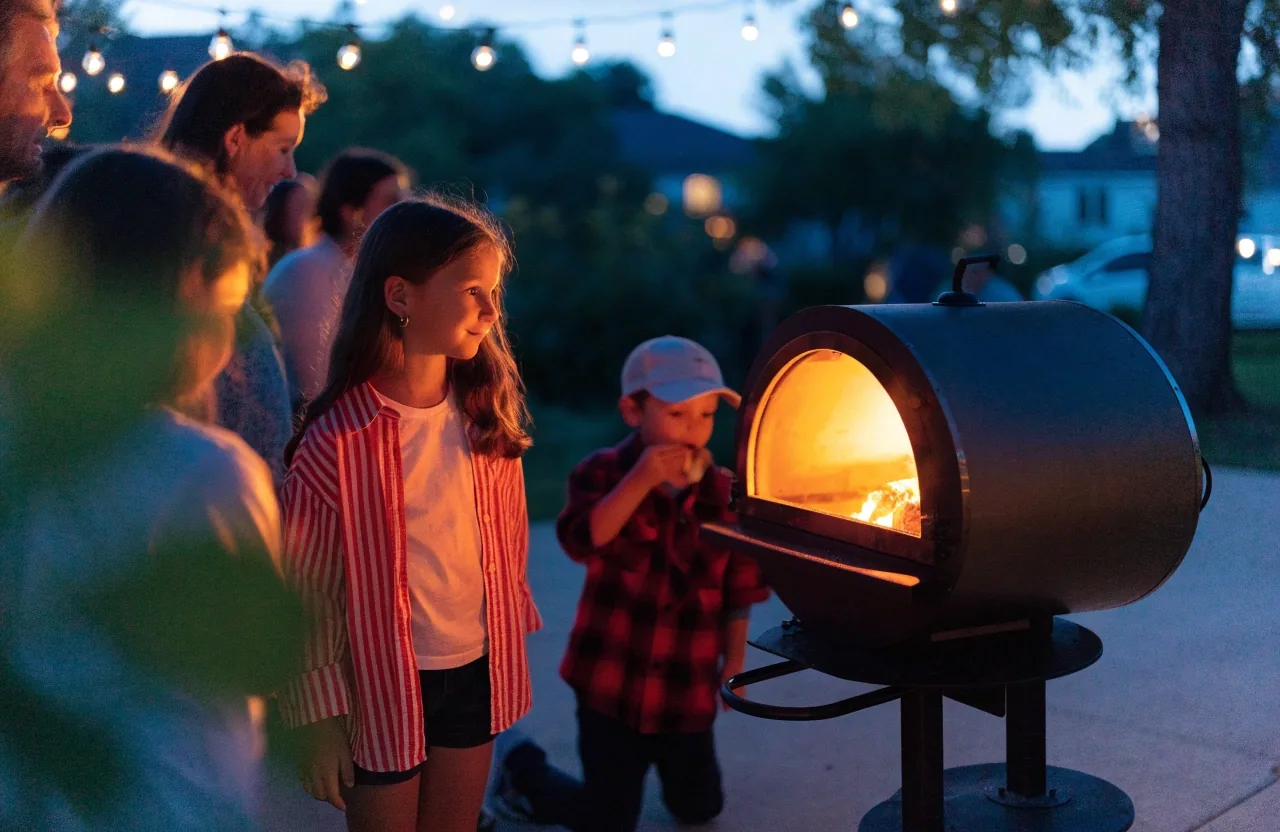
Backyard birthday party with a mobile pizza oven set up on a driveway

Birthdays and family parties

Backyard birthdays are where the format feels most relaxed. Kids tend to gather at the oven, and parents get a hot slice without leaving the house. You don't need a commercial kitchen or a rented venue. A patio, driveway, or lawn is usually enough. We handle the setup and the cleanup of our own station, so the host isn't left with a stack of trays at midnight.

For a birthday for twenty to forty guests, the cart is usually the right call: it fits a driveway, plugs into a standard household circuit or runs on its own power, and keeps the whole party within sight of the oven. If you're hosting a milestone birthday with a hundred or more people, the trailer handles the crowd with a steadier line.

Private parties and celebrations

Anniversaries, engagement parties, graduation gatherings, and neighborhood block parties all fit here. These events tend to be more flexible on timing, which lets us run a made-to-order line where guests pick their own toppings. It's slower than a buffet but more fun, and it works well when the guest list is under a hundred people.

guest count

Under 100

Made-to-order line works best at this size.

timing

Flexible

Guests order as they arrive, not on a fixed clock.

venue

Home or rented

Courtyards, gardens, halls and rooftops.

The two mobile setups we run

Most of the format choice comes down to the trailer or the cart. Both cook the same way and serve the same menu; they differ in footprint, access needs, and how many guests they can move through in an hour.

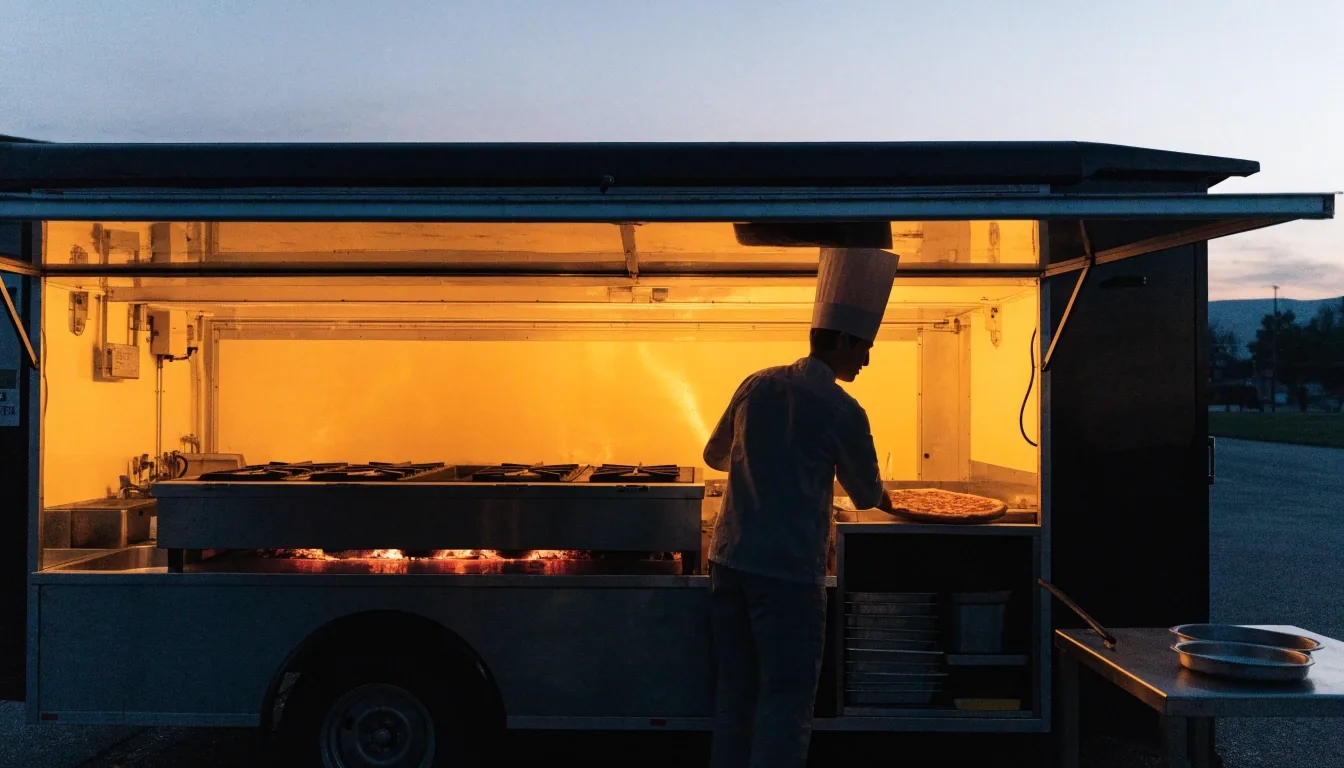
Mobile pizza trailer parked on a level lot with its oven glowing at night

Mobile pizza trailer

The trailer is our largest format. It's a traveling kitchen with ovens, prep stations, and its own power system, and it can support weddings, corporate gatherings, backyard parties, and festivals. It needs vehicle access and a flat, level spot. When the site allows it, the trailer gives you the most complete setup and the fastest service line.

Request a quote

vehicle access required

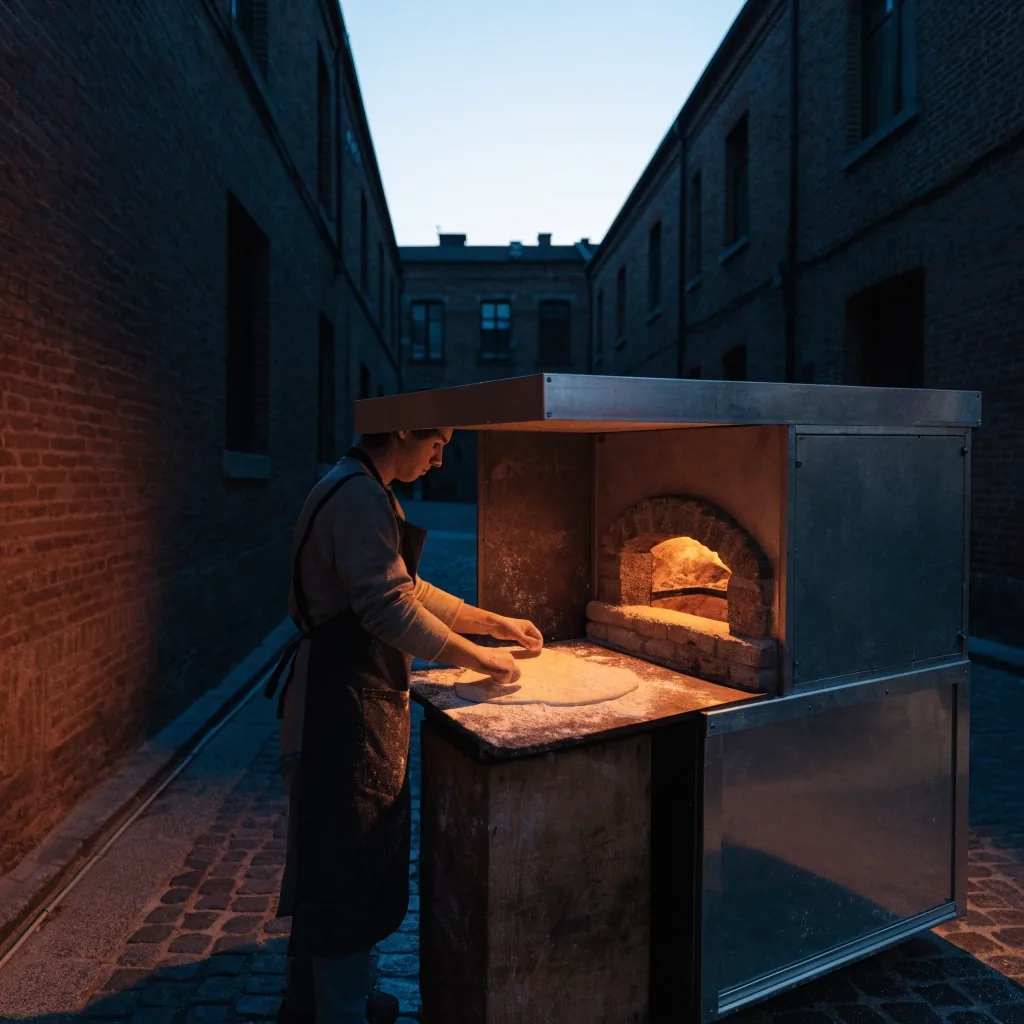
Compact mobile pizza cart set up in a tight courtyard with a chef stretching dough

Pizza cart catering

The cart is the compact option. It fits smaller venues, tighter courtyards, and indoor spaces where a trailer can't go, and it keeps the guest-facing experience more intimate because everyone is closer to the oven. It's referenced across the catering world as one of the standard mobile formats for exactly this reason. If your venue has stairs, a narrow entrance, or limited outdoor space, the cart is usually the answer.

Request a quote

tight venue access

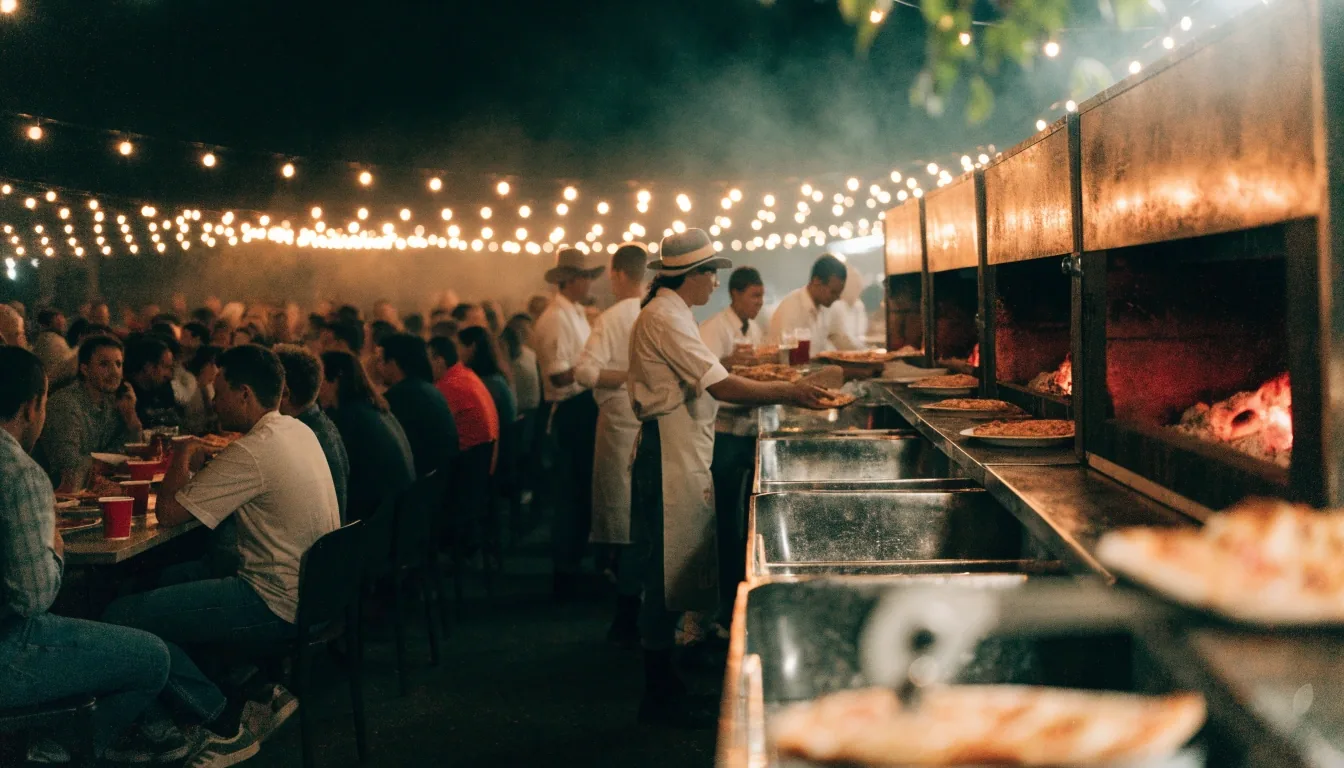
Continuous slice-service line feeding a large outdoor crowd at night

Slice service for large crowds

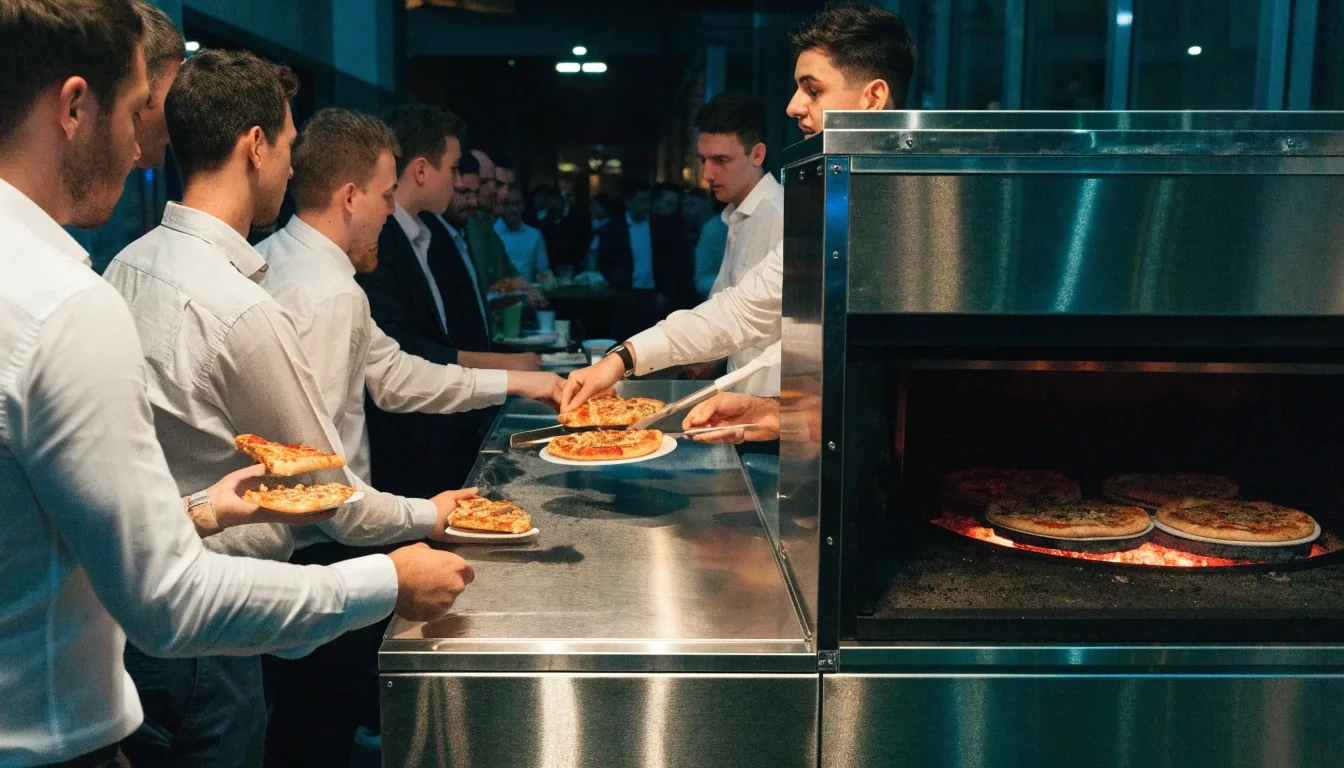
When the guest count climbs and the schedule is tight, we switch to a slice-service line. Pies come out of the oven continuously, get cut, and go straight to guests. It's the fastest way to feed a big group without a long wait, and it suits festivals, large corporate events, and any gathering where people are moving around rather than sitting down.

For events over roughly 250 guests, slice service is the format we recommend by default. A made-to-order line at that size turns into a bottleneck no matter how many ovens we run, while a continuous slice line keeps a steady pace and lets guests come back whenever they want.

Choosing the right format

Start with three questions. How many guests? What does the venue allow? How long is the service window? A trailer with two ovens suits a 200-person wedding on open ground. A cart suits a 40-person dinner in a courtyard. A slice line suits a 400-person corporate event with a two-hour window. Tell us those three things and we'll recommend a setup rather than guess.

Count the guests first

step one

Guest count decides the equipment, not the menu. Under 100 guests the cart is often enough; between 100 and 250 the trailer gives you a steadier line; above 250 the slice line keeps everyone fed without a wait.

Check what the venue allows

step two

Cooking on site needs the venue's approval, so confirm it before you book. If the site has stairs, a narrow entrance, a loading restriction or a noise rule, that narrows the format to the cart more often than not.

Set the service window

step three

A two-hour window for 300 guests is a different service from a four-hour window for the same crowd. Tell us when the food has to be out by, and we'll build the cook schedule backwards from that time.

Ready to lock in a date?

Check your event date

What we need from your venue

venue checklist

Level ground, a clear path for the equipment, and either a standard power source or permission for us to run our own. Cooking on site needs the venue's approval, so confirm that before you book. If the location has loading restrictions, noise rules, or a hard stop time, we need to know during planning, not on the day. Most venues in Los Angeles are straightforward once those details are settled.

  • Level ground with vehicle access for the trailer, or a clear walk-in path for the cart
  • Standard power, or written permission for us to run our own generator
  • Venue approval for on-site cooking, confirmed before the date is booked
  • Any loading restrictions, noise rules or hard stop times, shared during planning

Add-ons and coordination

menu & timeline

We can arrange salads, sides, and dessert to round out the menu, and we can work alongside a bar service or another vendor without stepping on their schedule. If you're using an event planner, we'll plug into their timeline. If you're organizing it yourself, we'll give you a simple run sheet so you know when we arrive, when we start cooking, and when we pack up.

Pairing a slice line with a bar service usually works best when the two run in sequence rather than at the same time, so guests aren't queuing in two directions at once. If you already have a caterer handling the main course, we can run dessert pizza or a late-night station instead of the full meal.

Compare catering formats

Questions we get asked

If your question isn't here, the fastest answer comes from telling us the guest count, the venue and the service window in one message.

Which format suits a venue with no outdoor space?

The cart is the usual choice. It has a smaller footprint and can often work in covered or semi-indoor areas where the venue permits on-site cooking.

Can you serve both a main meal and a late-night snack?

Yes. We can schedule two service windows, one for dinner and a shorter one later in the evening.

Do you work with event planners?

Often. We'll coordinate directly with your planner or venue coordinator on timing and access.

How far ahead should we book?

Weddings and larger corporate events usually need more lead time than a backyard party, because the venue approval and the access plan take a few back-and-forths. Tell us your date as early as you can and we'll confirm availability before you commit to anything else.

Can we see the format before we book?

Yes — we can walk you through how each setup works, what the footprint looks like on site, and which one we'd recommend for your venue. The menu and package page has the format comparison, and the contact page is where to send the event details.

Tell us the date and the guest count

Send us the three things that decide the format — guest count, venue, and service window — and we'll come back with the setup we'd recommend and a quote for it. If you're still comparing options, the menu page breaks down what each format includes.

reach the kitchen

  • 1200 S Figueroa St, Los Angeles, CA 90015, USA
  • +1-213-555-0427
  • [email protected]
  • Monday–Friday: 9:00 AM – 6:00 PM · Saturday–Sunday: by appointment for events